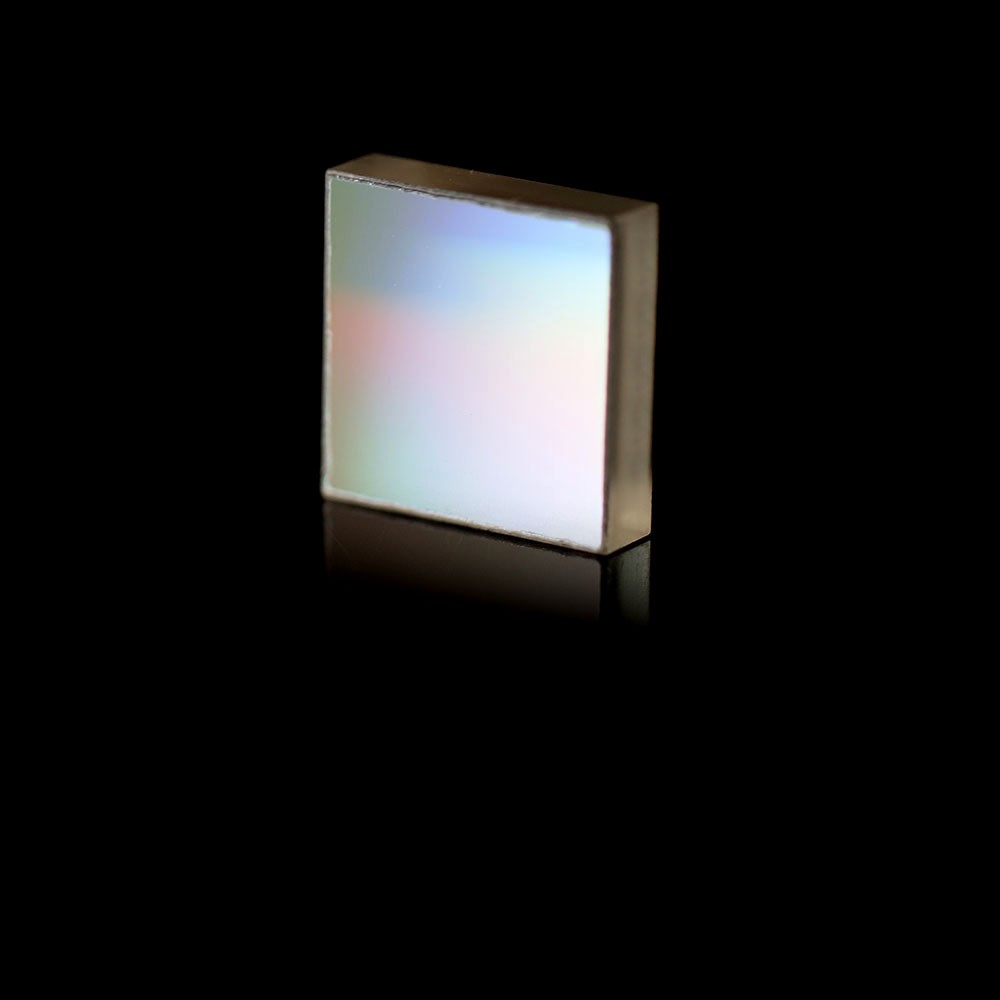
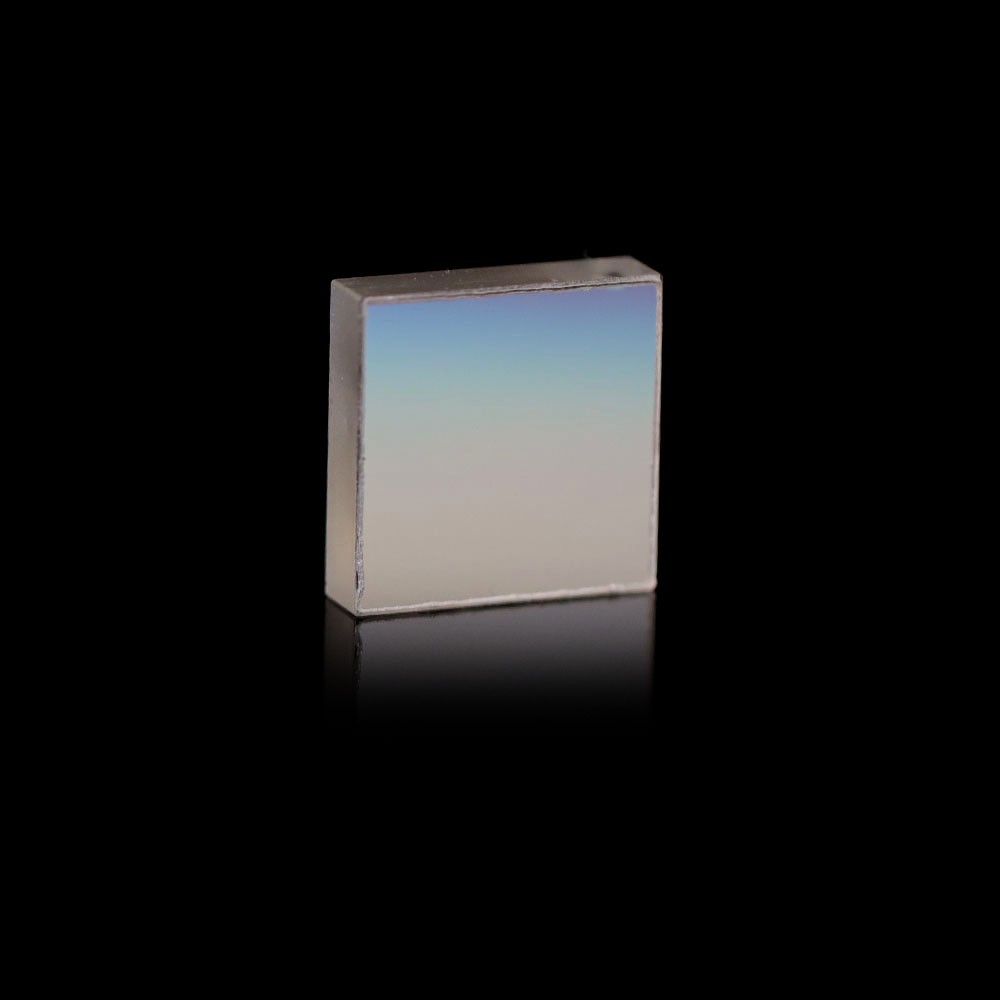
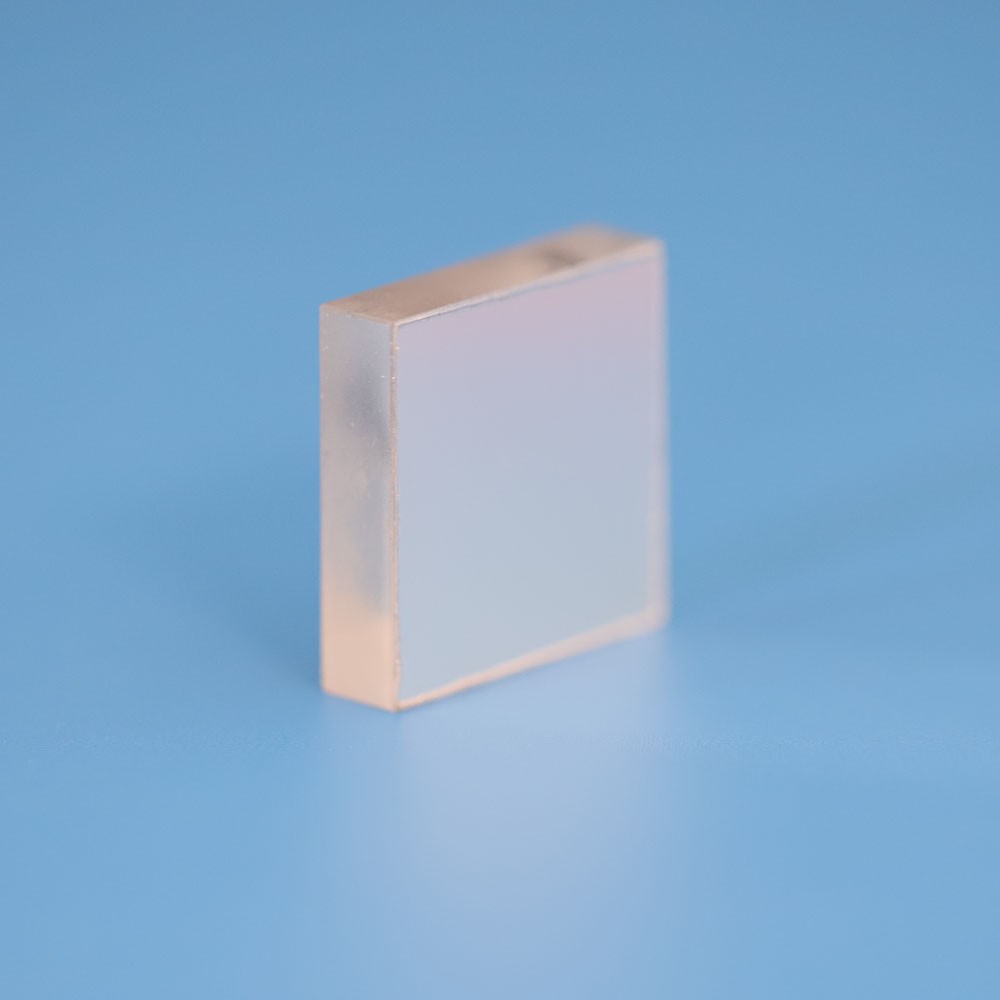
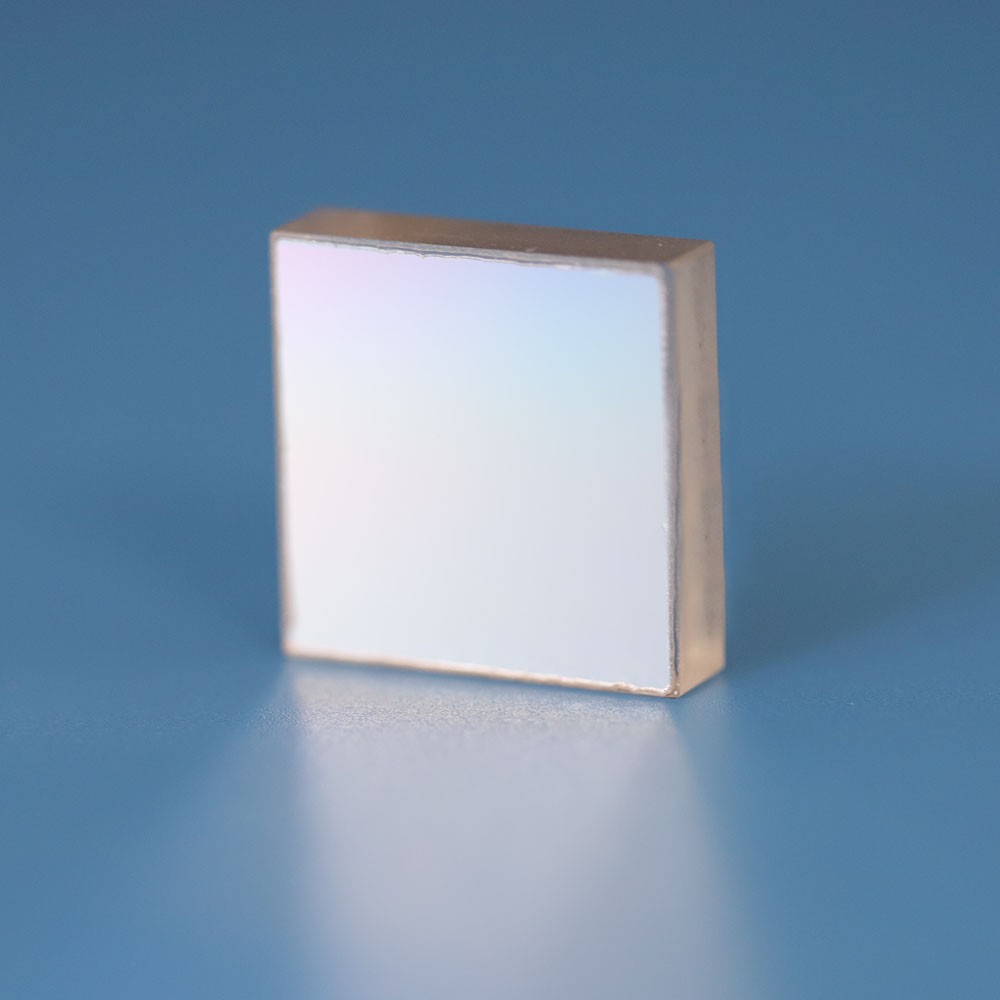
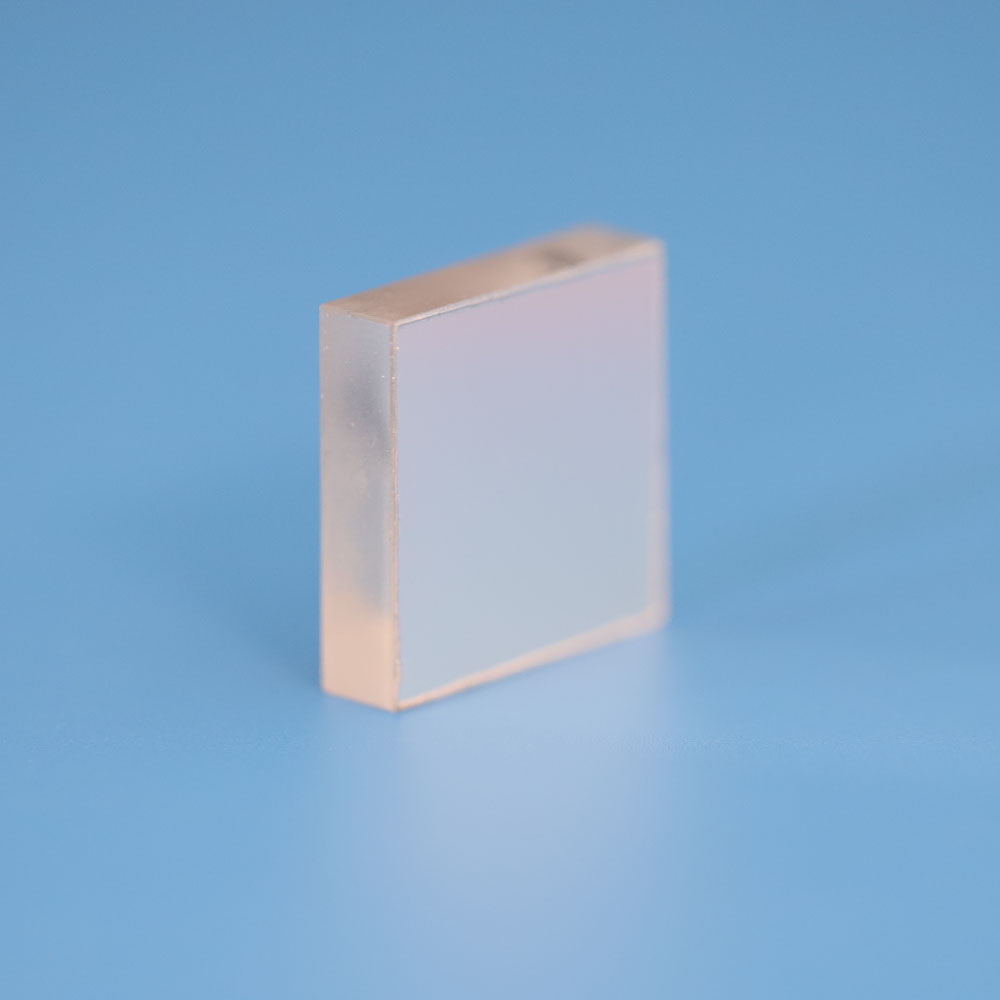
1200 lines/mm grating Optical Diffraction Grating – Precision Spectral Dispersion for Laser & Imaging Systems
1200 lines/mm diffraction gratings cover ruled, holographic and blazed profiles with selectable blaze wavelengths at 240nm, 250nm, 360nm, 500nm, 700nm and 750nm across UV (190–400nm), visible (400–780nm) and NIR (780–1200nm) bands.
First-order peak efficiencies range 60–80% at the blaze wavelength (≈63% holographic Vis, up to 80% ruled 360nm/750nm variants), on fused silica, N-BK7 or float glass substrates in 12.7×12.7, 25×25 and 25×50mm apertures.
Description
Optical Diffraction Grating – Precision Spectral Dispersion for Laser & Imaging Systems Common Types 1. Ruled Grating – Mechanically diamond-ruled on metal or glass; cost-effective for general spectroscopy. 2. Holographic Grating – Produced by laser interference patterning; very low stray light, ideal for fluorescence and Raman. 3. Blazed (Echelle) Grating – Angled groove facets concentrate most energy into a single order; used in high-efficiency monochromators and astronomy. 4. Transmission Grating – Light passes through; compact, used in laser line pickups and OEM sensors. 5. Reflection Grating – Most common in spectrographs; can be mounted in Littrow or Czerny-Turner configurations. 6. Custom / Coated Grating – UV-grade fused silica, IR materials (ZnSe, CaF₂), or metallic (Au/Al) coatings for specific wavelength bands from 190nm to 14µm.
Key Features - High spectral resolution (R up to 10⁵+ with echelle types) - Groove density: 100–2,400 lines/mm - Efficiency: 60–95% peak (blazed/holographic optimized) - Low polarization dependence (holographic) or high efficiency in selected order (blazed) - Available in UV, VIS, NIR, and IR versions - Substrate options: BK7, fused silica, quartz, ZnSe, Ge, CaF₂
Why Choose a Grating Over a Prism? - Linear(ish) wavelength dispersion (easier calibration) - Higher resolution in compact form factor - Customizable efficiency peaks and order selection - Works across broad spectral ranges with right coating/material
Whether you need a 600 lines/mm holographic grating for a Raman probe, a 1,200 lines/mm blazed grating for a UV-Vis spectrometer, or a custom echelle for astronomical spectroscopy, diffraction gratings provide the precision dispersion modern photonics demands.
Explore our full range of stock and custom optical gratings — ruled, holographic, blazed, and echelle — with substrates and coatings for every wavelength from deep UV to long-wave IR.